
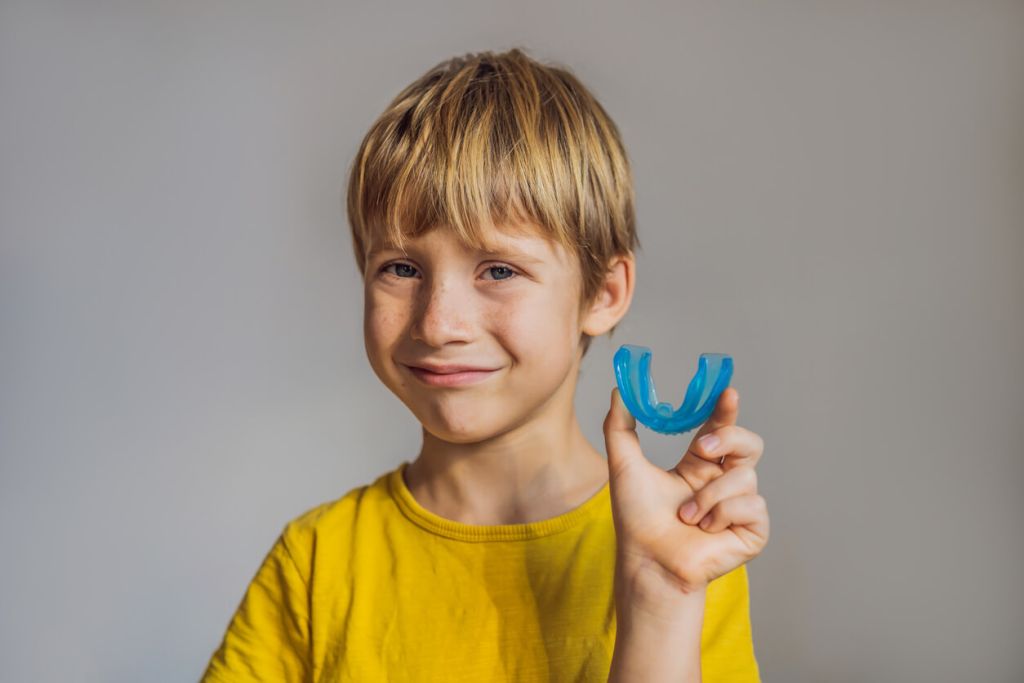
When your child heads onto the field, court, rink, or mat, you probably think about the obvious essentials first: shoes, uniform, water bottle, maybe a helmet, maybe shin guards. But one of the most important pieces of safety gear is also one of the easiest to overlook: a mouthguard.
For active families in Bradenton, Lakewood Ranch, Sarasota, and nearby communities, sports are part of everyday life. From football and basketball to softball, martial arts, biking, and flag football, kids are moving fast, colliding, falling, and learning through play. That energy is wonderful. It is also exactly why sports mouthguards for kids matter.
A properly fitted mouth guard helps protect teeth, lips, gums, cheeks, and even the tongue from avoidable injuries. For a growing child athlete, it can be the difference between brushing off a hard hit and needing urgent dental treatment after a split lip or broken tooth. At Children’s Dentistry of Manatee & Lakewood Ranch, we believe prevention is always better than repair, especially when it comes to your child’s smile.
Why a Mouthguard Matters in Youth Sports
A child athlete does not need to be playing full-contact football to be at risk for a dental injury. Many parents are surprised to learn that dental trauma happens in sports with routine falls, flying elbows, accidental collisions, and fast-moving equipment. Basketball, baseball, softball, field hockey, biking, skateboarding, and even playground-style tumbles during organized youth sports can all put a child’s mouth at risk.
A mouthguard acts like a shock absorber for the mouth. Instead of force traveling directly into the child’s teeth, lips, and gums, the guard helps spread out that impact. That cushioning can reduce the risk of chipped teeth, broken teeth, cuts to the lips or cheeks, and injuries to the jaw. In some cases, a mouthguard may also help lessen trauma to soft tissue when a child falls face-first or takes an unexpected hit.
For parents, it helps to think of it this way: a helmet protects the head, but a mouth guard protects the front line. Teeth do not grow back the way scraped knees heal. One bad collision can affect your child’s smile, comfort, confidence, and future treatment needs.
That is why sports mouthguards are recommended for so many activities, not just classic contact sports. If there is speed, equipment, body contact, or a realistic chance of falls, a mouthguard should be part of the routine.
Which Sports Put a Child’s Teeth at Risk?
The short answer is more sports than most families expect. Contact sports are the most obvious example, including football, ice hockey, hockey, martial arts, and field hockey. These activities involve frequent player contact, rapid movement, and a higher chance of direct blows to the face.
But many dental injuries happen outside traditional contact sports. Basketball is a major one because elbows, hard floors, and sudden movement create real risk. Baseball and softball can involve collisions, falls, or impact from a ball. Flag football may seem lighter than tackle football, but accidental contact still happens. Biking is another activity where a simple fall can become a serious mouth injury in seconds.
For a child athlete, risk is not always about how aggressive the sport looks from the sidelines. It is about what can happen in one unpredictable moment. A teammate turns unexpectedly. A ball takes a strange bounce. A child trips, misses a step, or lands wrong. Those are the moments when the right mouthguard earns its keep.
Parents should also remember that growing kids are still developing coordination, reaction time, and body awareness. In youth sports, that means more accidental collisions and more awkward falls. A child does not need to be reckless to get hurt. They just need to be moving fast in a busy environment.
How Sports Mouthguards Protect More Than Teeth
Most people think a mouthguard is just there to protect teeth, and that is true, but it is only part of the story. A well-made mouthguard can also help protect the lips from being cut against the teeth, reduce trauma to the gums, and cushion the cheeks and tongue during impact.
That matters because sports injuries to the mouth are often messy and painful. A child can split a lip, bruise the gums, or bite the inside of the cheeks hard enough to need follow-up care. In more severe cases, trauma can affect upper and lower teeth, the jaw, or existing dental work. If a child has braces, the stakes are even higher because brackets and wires can cause additional soft tissue injury during a hit.
A mouthguard creates a soft barrier between the hard edges inside the mouth and the soft tissues around them. That extra protection is especially important for kids in football, hockey, basketball, martial arts, and field hockey, where fast contact is part of the game. Even in lower-contact settings, that barrier can make a major difference.
There is also a practical side to this. Preventing an injury means avoiding emergency visits, missed school, missed practice, pain, and costly treatment. A mouthguard is a small piece of equipment with a very big job.
Types of Sports Mouthguards for Kids
Not every mouthguard offers the same level of protection and comfort. In general, parents will come across three main options: stock guards, boil and bite guards, and custom mouthguards.
Stock guards are the pre-formed kind sold in stores. They are inexpensive and easy to grab, but they are often bulky and loose. Many kids do not like the way they feel, which means they may chew on them, take them out, or struggle to talk and breathe comfortably while wearing them.
Boil and bite options are more common for families looking for a better fit. These guards are softened in hot water, then molded to the child’s mouth. A boil and bite mouth guard can be a step up from a stock version, but the fit still depends heavily on the molding process. If it is not shaped correctly, it may not provide the best protection or a secure fit.
Custom mouthguards are made by a dentist for your child’s specific bite and dental anatomy. This custom approach usually provides the best mouthguard experience in terms of fit, protection, and comfort. A custom mouthguard is designed to stay in place better, feel less bulky, and allow a child athlete to breathe and talk more naturally.
That matters more than it may seem. If a guard is uncomfortable, kids are less likely to wear it consistently. The best mouthguard is the one your child will actually wear every time they play.
What Makes the Right Mouthguard the Best Protection?
The right mouthguard should fit snugly without feeling awkward or oversized. It should stay in place during movement and not require your child to clench constantly just to keep it from falling out. A secure fit makes it easier for a child to focus on the game instead of the gear in their mouth.
It should also allow your child to breathe and talk without too much trouble. No mouthguard makes speech perfectly normal, but a good one should still let your child communicate with coaches and teammates. If your child keeps pulling it out to talk, that is a sign the fit or design may not be ideal.
The best protection comes from the combination of fit, thickness, and comfort. A mouth guard should cover the upper teeth properly and provide a cushion that helps absorb impact. In some cases, depending on the sport or your dentist’s recommendation, protection for lower teeth may also be discussed, but many athletic mouthguard designs focus on the upper arch.
Look for a mouthguard made from soft but durable material. It should be strong enough to hold its shape under pressure, but comfortable enough for regular wear. Maximum comfort is not just a luxury. It directly affects whether your child uses it consistently.
Sports Mouthguards for Kids With Braces
Braces change the conversation in an important way. If your child has braces, they need a mouthguard even more, not less. Brackets and wires can turn a routine hit into a much more painful injury to the lips, cheeks, and gums.
A child athlete with braces is at risk not only for damage to the child’s teeth, but also for injury to the orthodontic appliances themselves. A hard impact can bend wires, loosen brackets, and interrupt treatment. That can mean extra appointments, discomfort, and delays in progress.
This is where custom mouthguards can be especially helpful. A custom design can account for braces and create better protection and comfort around brackets. Some store-bought options are labeled for braces, but they may still feel bulky or provide less of a perfect fit. Since kids in orthodontic treatment are still changing, the mouthguard may need to be updated as teeth move.
If your child is in braces and plays football, basketball, hockey, martial arts, softball, or any other sport with contact or falls, ask your pediatric dentist or orthodontist which option is the safest fit. A one-size-fits-all approach rarely works well when braces are involved.
Signs Your Child Needs a Better Mouthguard
Parents often assume that if a mouthguard is technically in the mouth, it is doing its job. Not always. If your child keeps chewing on it, taking it out between plays, complaining that it feels huge, or struggling to breathe, it may not be the right mouthguard.
You may also notice that the guard looks misshapen, worn down, or loose. Kids grow quickly, and a mouthguard that fit last season may not fit now. If it no longer sits properly over the upper teeth or seems unstable during play, it is time for a replacement.
A poor fit can reduce protection and create frustration. It can also interfere with performance because your child is distracted by the guard instead of focusing on the sport. The top choice is not necessarily the one with the flashiest packaging. It is the one that gives a child athlete dependable protection with enough comfort to wear it every time.
For families in Bradenton and Lakewood Ranch, this is a good topic to bring up during a routine dental visit. A pediatric dentist can help you evaluate whether your child’s current mouthguard is doing what it should.
How to Care for a Child’s Mouthguard
Even the best mouthguard will not last forever, especially if it is tossed into the bottom of a gym bag beside dirty socks and snack wrappers. Good hygiene matters. A mouthguard sits in the mouth, so it should be kept clean.
After each use, rinse it with cool water and gently clean it according to your dentist’s instructions or the manufacturer’s directions. Avoid very hot water unless you are intentionally molding a boil and bite guard, because heat can distort the shape. Let it dry fully before storing it.
A ventilated case is one of the simplest ways to protect the mouthguard between uses. It helps with airflow and keeps the guard from being crushed or contaminated. Your child should not wrap it in a napkin, leave it in a hot car, or drop it loose into sports equipment bags.
Parents should inspect the guard regularly for wear, tears, or changes in shape. If it looks rough, smells bad even after cleaning, or no longer fits well, replace it. A mouthguard is not meant to be a forever item. It is a piece of protective gear that needs attention.
When to Talk to a Pediatric Dentist About Mouthguards
A pediatric dentist can help you choose the best mouthguard for your child’s age, sport, dental development, and any special considerations like braces or previous injuries. That guidance can be especially valuable if your child plays multiple sports or has already had a chipped tooth, lip injury, or other dental trauma.
At Children’s Dentistry of Manatee & Lakewood Ranch, we care for growing smiles every day, and we understand how differently children’s needs can look from one stage to the next. A tiny soccer player, a middle school basketball guard, and a teen in football with braces all need protection, but not necessarily the exact same solution.
If your child participates in youth sports in Bradenton, Lakewood Ranch, Sarasota, or surrounding communities, a conversation about mouthguards is worth having before the next season starts. Prevention is simpler than treatment, and protecting a child’s smile now can help avoid pain and dental injuries later.
A Small Habit That Can Prevent a Big Problem
There are some parenting battles that feel endless: matching socks, missing water bottles, one more forgotten permission slip. Adding a mouthguard to the sports routine may seem like one more thing to remember. But this one matters.
A mouthguard is not dramatic. It does not get the attention a helmet gets. It is quiet, simple, and easy to underestimate. But when a child takes a ball to the face, slips off a bike, or catches an elbow during basketball, that small piece of protection can make a very large difference.
For a child athlete, wearing a mouthguard should be as automatic as tying cleats. It helps protect teeth, soft tissue, and confidence. It helps parents breathe a little easier from the sidelines. And it helps keep the focus where it belongs: on learning, growing, competing, and having fun.
If you would like guidance on the right mouthguard for your child, including options for braces and active kids in contact sports, the team at Children’s Dentistry of Manatee & Lakewood Ranch is here to help. Your child’s smile is still growing. It deserves protection that grows with it.