
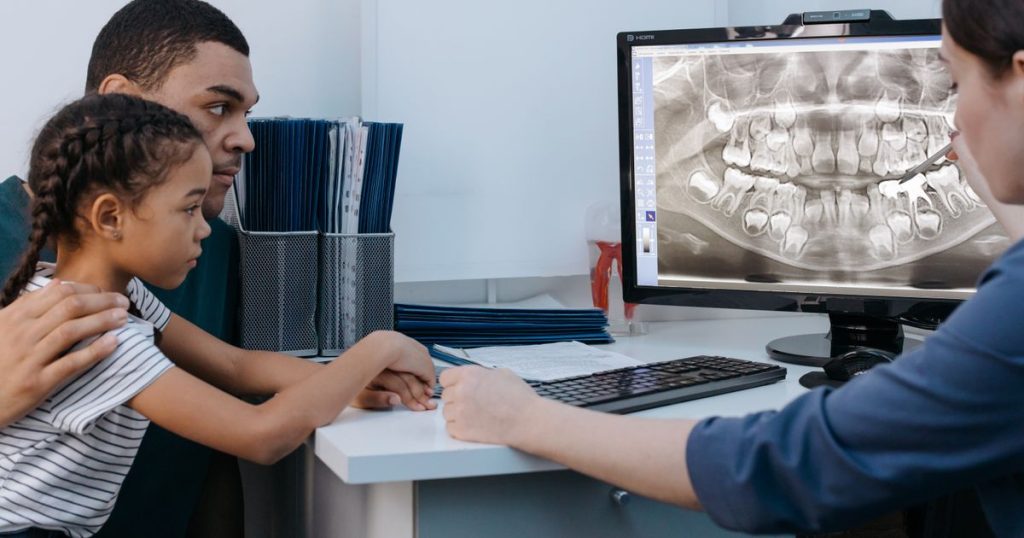
Finding a dentist who understands your child can feel like a big task. A special needs pediatric dentist brings specialized training, patience, and a flexible setup to every visit, and the right match turns checkups into something your family can plan around with confidence. This guide covers what to look for, what to ask, and how to recognize a good fit when you meet one. If you have wondered how to choose a special needs dentist, the steps below give you a place to start today.
Why Special Health Care Needs Training Matters in a Pediatric Dentist
Pediatric dentistry is a recognized dental specialty. Pediatric dentists complete at least two additional years of specialized training after dental school, and that training includes caring for children with special health care needs. Adapting an appointment, reading a child's cues, and treating a child with a complex medical history are part of what these dentists study and practice.
This is a mainstream need. Nationally, about 1 in 5 children under 18 has a special health care need, so pediatric dental teams see these families often and plan for them. Your search is a common one, and many dentists have shaped their approach around it.
Training shows up in small moments during a visit. A dentist might show a tool before using it, break a cleaning into shorter steps, or choose a chair position that suits a child's muscle tone. Each choice grows from the knowledge that children differ, and that a plan written for your child works better than a standard routine.
You and your child's care team hold the best insight into how your child communicates and what helps. A pediatric dentist with this training listens to that insight and builds it into the plan. For more on what a pediatric specialist brings to a child's care, read about what sets a pediatric dentist apart.
What to Look For in a Special Needs Pediatric Dentist
Treat this section as a checklist you can carry to any consultation. A practice that offers dental care shaped around each child's health needs will usually be glad to talk through every item.
Sensory-Friendly Accommodations
Bright overhead lights, the whine of a handpiece, and unfamiliar smells can feel intense to a child with sensory processing differences. Look for a practice that can dim the lights, keep the waiting area calm, lower noise where possible, and adjust the room to what your child tolerates. Ask what the team has changed for other children, because a specific answer shows real experience.
A Full Range of Sedation Options
A pediatric dentist for a special needs child should be able to describe more than one way to keep treatment comfortable. Nitrous oxide gives light relaxation while a child stays awake. Oral or IV sedation brings a deeper level of calm, and general anesthesia allows longer or more involved treatment to be completed while a child sleeps. This range matters most for children who cannot tolerate awake treatment, and it means your family is never limited to a single approach. Ask how the dentist decides which option suits your child.
Hands-On Experience With Your Child's Specific Condition
Ask directly about your child's diagnosis. A child with Down syndrome may do well with clear, step-by-step explanations. A child with cerebral palsy may need positioning support and extra time in the chair. A child with ADHD may settle best with shorter visits and a quiet room. A dentist who treats children like yours will describe what they do and why.
Physical Accessibility
Look for wheelchair access at the entrance, treatment rooms with enough space to maneuver, and accessible parking close to the door. Ask how the team helps with transfers to the dental chair, and whether care can be provided with a child seated in a wheelchair when that is the safest and most comfortable option.
Patient, Consistent Communication
Seeing the same care team from visit to visit lets your child build trust and lets the team learn what works. Listen for plain-language explanations, a willingness to slow down, and speech that is directed to your child as well as to you. A dentist who invites your input is already treating your family as partners.
Questions to Ask Before Booking the First Visit
Most practices are happy to answer questions before a first appointment, and asking them is a normal part of choosing a dentist. You can ask on the phone or during a tour. A few to start with:
- Do you treat children with my child's condition regularly?
- What sedation options do you offer, and how do you decide which is right for my child?
- Can we schedule a tour or a short getting-to-know-you visit before treatment begins?
- How do you handle a child who becomes overwhelmed during an appointment?
- Will we see the same team each time?
- Can I share notes from my child's therapists or doctors ahead of the visit?
Your pediatrician or your child's therapists can be a good source of referrals, since they often know which local practices work well with children like yours. Before the visit, you can send along health information, pack a favorite comfort item, and plan a quick tour so the space feels familiar. Our page on what happens at a first dental visit describes how a new patient's dental and medical history is reviewed. Families preparing a child with autism can also read our guide to preparing an autistic child for a dental visit.
Beyond Autism: Dental Care for the Full Range of Special Health Care Needs
The term special needs covers a wide landscape. It includes physical disabilities such as cerebral palsy and mobility impairments. It includes genetic and developmental conditions such as Down syndrome and intellectual disabilities. It includes chronic medical conditions that call for coordinated care, learning differences, sensory processing differences, and neurodivergence of many kinds.
Autism is one well-known part of this picture. About 1 in 31 eight-year-olds in the United States has been identified with autism spectrum disorder, and it is still only one condition among many that this kind of dental care serves. Children with heart conditions, seizure disorders, or complex medical histories also benefit from a dentist who plans with their health in mind.
When a practice says it welcomes children with special needs, listen for what that phrase covers. A good practice means all of the above. It tailors its approach to each child, with different pacing, tools, communication and comfort measures for each patient. One child may need a quiet room and extra time. Another may need a team that coordinates with a physician before treatment. A third may need sedation to make care possible at all.
Ask the practice how it adapts for children across this range. You will learn quickly whether the team works from one template or builds a plan around your child.
Special Needs Dentistry at Children's Dentistry of Manatee
At Children's Dentistry of Manatee, special needs pediatric dentistry is part of caring for children from infancy through adolescence, including the medically and physically compromised. The practice welcomes children with congenital disorders, developmental disabilities, physical and mental disabilities, learning disabilities, neurological diseases, and other complex conditions. Our approach can include longer appointment times, sensory accommodations, and alternative ways to communicate, and new families are welcomed with a tour of the office.
Pediatric dentistry and orthodontics sit under one roof, so families with full schedules have fewer providers to coordinate. The sedation options span nitrous oxide for light relaxation, IV sedation for deeper comfort, and general anesthesia for children who need to sleep during care. Your child's dentist helps you choose the approach that fits.
Families searching for a special needs pediatric dentist near me can find us in Bradenton, in Lakewood Ranch, and at our North River office. We see patients from Sarasota, Parrish, and communities across Manatee County. To talk through your child's needs, or to arrange a tour, Schedule an Appointment and tell us about your child. We look forward to meeting your family.